

The market runs on paper. Your books don't have to.
Daily produce deliveries, handwritten notes, thermal receipts that fade by Friday. Photograph them before service, and Cribble does the typing before close.
Get started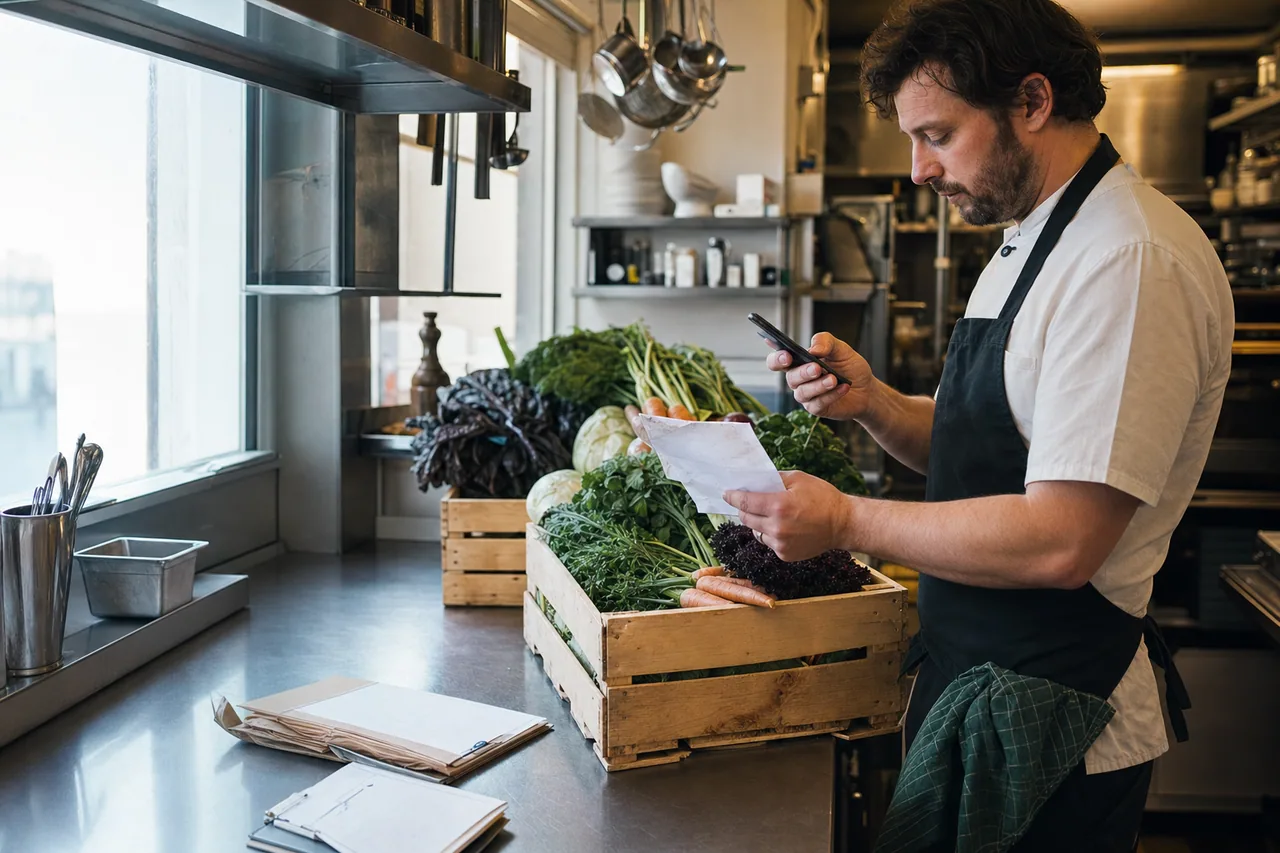
What lands on your desk
What that means for you
Reads handwriting
If a person can read the note, Cribble aims to, with confidence scores that drop honestly where the pencil ran out.
Faster than the fade
Thermal receipts die in sunlight. A photo the day they arrive preserves the data forever, attached to the original image.
A daily pile, done daily
Ten documents a day is five minutes of review, not an hour of typing, so the books close with the kitchen.
Supplier payments, double-checked
Bank details are confidence-scored like everything else, so a smudged IBAN gets flagged before the transfer.
Service ends, books close
The paperwork in a kitchen arrives wet, folded and at the worst possible time. The fix isn't discipline, it's a camera: photograph the packing slip when it lands, forward the invoice when it's emailed, and let the sifting happen during service.
By close, the day's documents are read and flagged. The review takes as long as the last espresso, and the fishmonger's handwriting is now a searchable line item.
Get started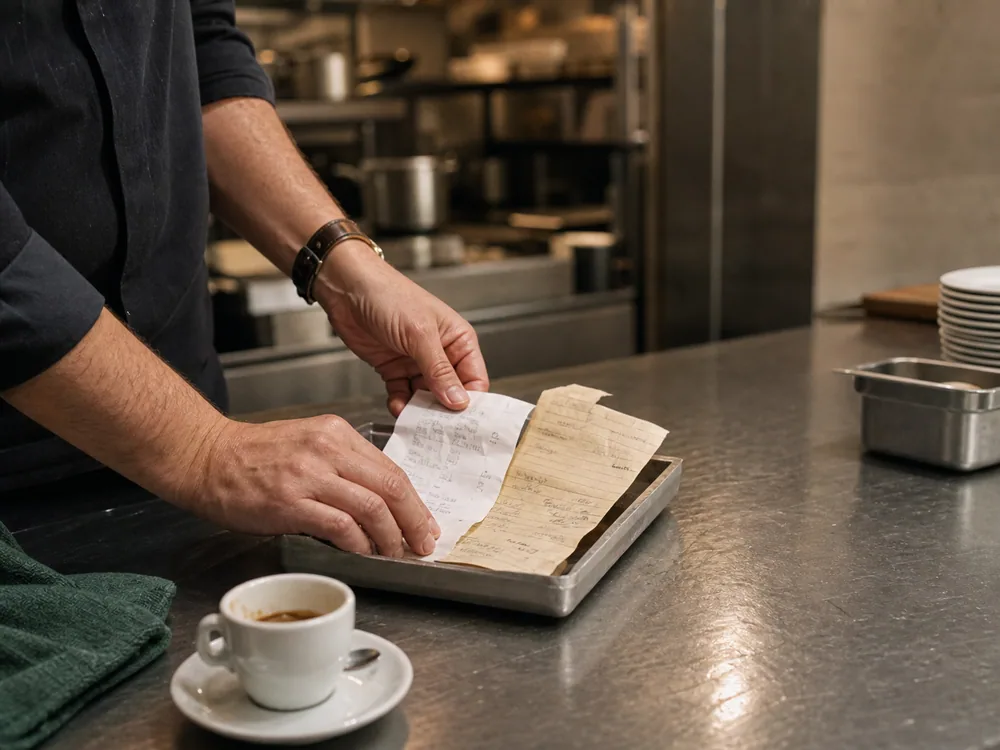
Not quite your business?